Professional Water Damage Restoration and Repair Services
Water damage is one of the most common and most destructive problems a property owner can face. Whether it comes from a burst pipe, a failed sump pump, a roof leak, or a major flooding event, standing water begins damaging a structure within minutes and creates conditions for mold growth within 24 to 48 hours. Professional water damage restoration is not simply about removing visible water. It is a structured process that addresses moisture hidden deep inside walls, flooring, and structural materials before secondary damage compounds the original loss.
Northeast Water Remediation provides certified water damage repair and emergency water removal services for residential and commercial properties across Massachusetts and New Hampshire. The team is available 24 hours a day, 7 days a week, 365 days a year because water damage emergencies do not follow a schedule.
Why Water Damage Requires Immediate Professional Attention
Many property owners underestimate how quickly water damage escalates. What appears to be a manageable wet floor or damp wall can represent a much larger problem developing inside the structure. Flood damage repair delayed by even a few hours allows moisture to travel far beyond the visible source.
Here is what happens on a typical water damage timeline when professional response is delayed:
- Within minutes, water saturates flooring, subfloor materials, and begins wicking up drywall
- Within one hour, furniture begins to stain, particleboard swells, and dyes from carpets bleed into flooring
- Within 24 hours, drywall begins to buckle, metal fixtures start to rust, and mold spores begin to colonize damp surfaces
- Within 48 to 72 hours, mold growth becomes visible, structural materials begin to warp and swell, and odor sets into porous materials
- Within one week, restoration costs have increased significantly and structural repairs become unavoidable
Fast water cleanup by a certified restoration team interrupts this timeline at the earliest possible point, significantly reducing both health risks and total repair costs.
Common Causes of Water Damage in Residential and Commercial Properties
Water can enter a property from multiple sources, and each source creates a slightly different set of restoration challenges. Understanding the cause helps the restoration team deploy the right equipment and prioritize the right areas.
Plumbing Failures
Burst pipes, failed supply lines, leaking water heaters, and malfunctioning appliances are among the most frequent causes of indoor water damage. These events can release hundreds of gallons of water in a short period, saturating walls and flooring throughout an entire floor of a building. Fast emergency water removal is critical when plumbing failures occur.
Roof Leaks and Storm Damage
New England weather creates consistent risk for roof related water intrusion. Ice dams in winter, heavy rain in spring, and wind damage year round allow water to enter through compromised roofing, around flashing, and through damaged soffits and fascia. Water entering from above often saturates attic insulation and ceiling materials before any visible signs appear inside the living space.
Basement and Foundation Water Intrusion
Seasonal groundwater pressure, foundation cracks, and failed waterproofing systems allow water to seep into basements and crawl spaces. This type of intrusion is often chronic and gradual, making it easy to overlook until significant water damage repair is needed. Basement flooding during heavy rain events is one of the most common calls the team receives across Massachusetts and New Hampshire.
Sewage Backup
Sewer line blockages, municipal system overloads, and damaged lateral lines can force contaminated water back into a property through floor drains, toilets, and sinks. Sewage backup requires specialized Category 3 water cleanup protocols beyond standard water damage restoration and is handled as a separate biohazard cleanup process.
Sprinkler System Activation
Accidental or fire related sprinkler activation can discharge thousands of gallons of water into a commercial space within minutes. This type of event often affects multiple floors simultaneously and requires immediate coordinated response to prevent total loss of contents and structural materials.
Appliance and HVAC Failures
Washing machine overflow, dishwasher leaks, refrigerator line failures, and HVAC condensate line blockages are common sources of slow water damage that goes undetected for days or weeks. By the time the damage is discovered, moisture has typically spread far beyond the appliance location.
Northeast Water Remediation Water Damage Restoration Process
Every water damage job follows a documented, step-by-step restoration process built around industry standards and the specific conditions found on each job site.
Emergency Response and Assessment
The team arrives quickly and conducts a thorough water damage assessment of the property. Moisture meters, thermal imaging cameras, and hygrometers are used to identify all affected areas, including those not visible to the naked eye. The source of water entry is identified and stopped before restoration work begins.
Water Extraction
Commercial-grade truck-mounted and portable extraction equipment removes standing water from all affected areas as quickly as possible. Fast water extraction is the single most impactful step in limiting the total scope of damage and preventing mold growth from taking hold.
Structural Drying
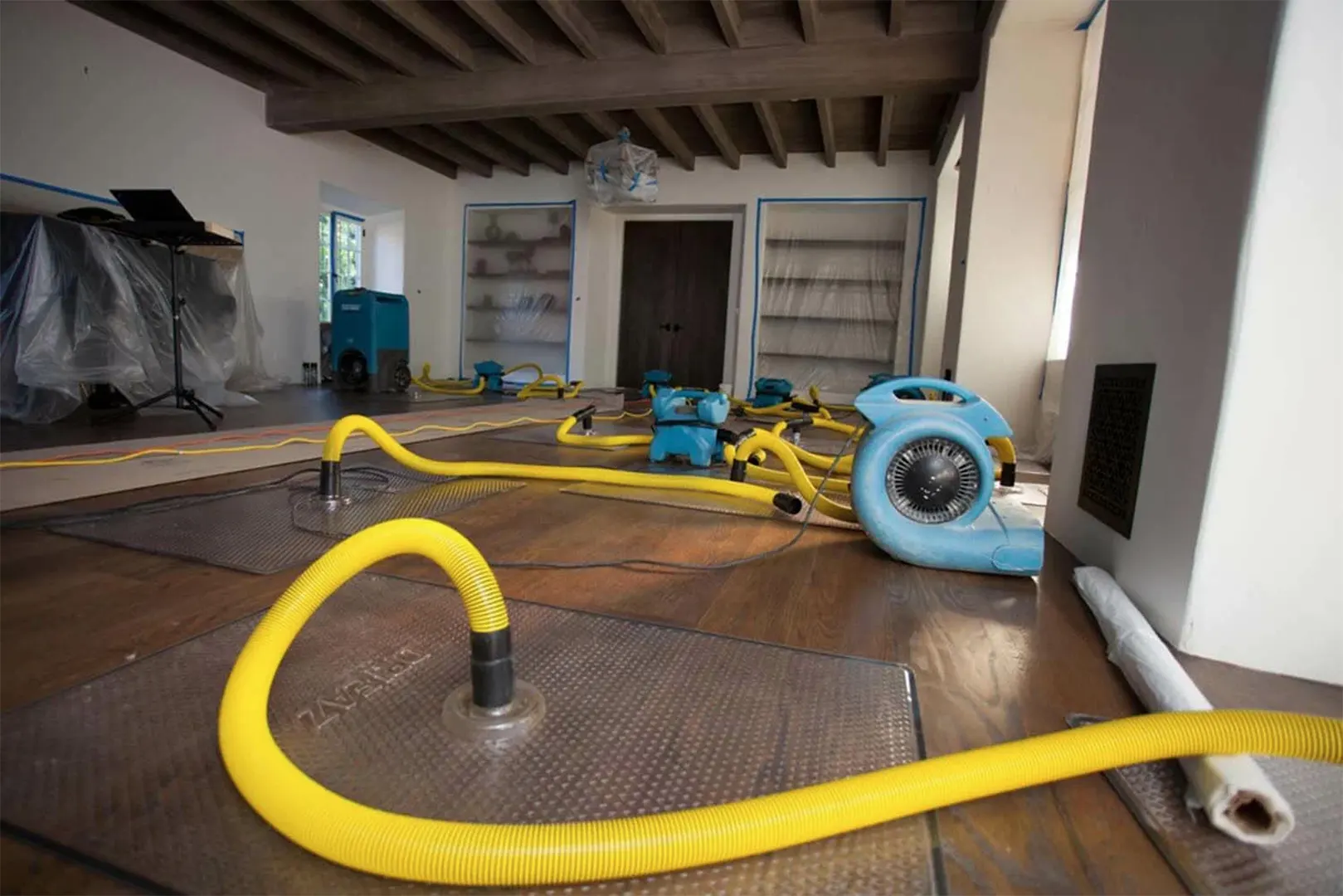
Structural drying begins immediately after extraction using industrial air movers and dehumidifiers placed according to a drying plan designed for the specific layout and materials of the affected space. Moisture readings are taken daily to track drying progress and adjust equipment placement as needed.
Monitoring and Documentation
Drying progress is documented throughout the process using daily moisture readings recorded across all affected structural materials. This documentation is provided to the insurance carrier and serves as proof that industry-standard drying protocols were followed, which is essential for claim processing.
Antimicrobial Treatment
Once structural materials reach drying goals, antimicrobial treatment is applied to all affected surfaces to prevent mold growth from developing during or after the drying process. This step is particularly important in Category 2 and Category 3 water damage situations.
Restoration and Repairs
Damaged materials that could not be dried in place, including compromised drywall, saturated insulation, warped flooring, and damaged cabinetry, are removed and replaced. Full restoration returns the property to its pre-loss condition, eliminating the need for the property owner to coordinate a separate contractor for repairs.
Residential vs. Commercial Water Damage Restoration
Residential Water Damage Restoration
A water damage event in a home is stressful and disruptive for the entire household. Northeast Water Remediation approaches every residential job with an understanding of that reality, working efficiently to minimize disruption while completing a thorough restoration. The team regularly handles burst pipes during cold New England winters, basement flooding from heavy rain, water heater failures, roof leaks saturating attic insulation, appliance failures discovered after extended leak periods, and water damage found during home sale inspections requiring fast and fully documented restoration.
Commercial Water Damage Restoration
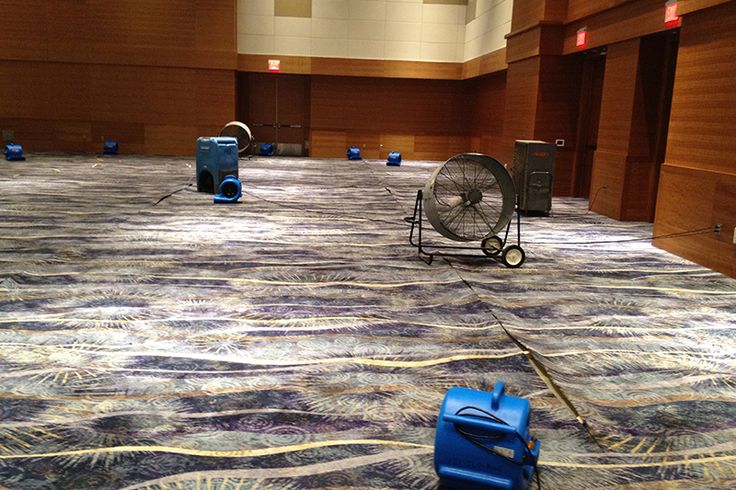
Water damage in a commercial property creates immediate business interruption risk alongside the physical damage. Northeast Water Remediation prioritizes rapid mobilization for commercial losses and works around business operations wherever possible to minimize downtime. The team is experienced handling large-scale commercial water damage events including multi-floor losses, retail and office environments, healthcare and educational facilities, and multi-unit residential buildings. Every commercial job is managed with the documentation standards required for commercial property insurance claims.
Does Insurance Cover Water Damage Restoration
Coverage depends on the cause of the water damage. Most standard homeowners and commercial property policies cover sudden and accidental water damage from plumbing failures, appliance malfunctions, and certain storm-related losses. Flood damage from rising surface water typically requires separate flood insurance coverage.
Northeast Water Remediation works directly with all major insurance carriers and provides the documentation, moisture readings, drying logs, and scope of loss reports required to support a successful claim. The team coordinates with adjusters throughout the process so property owners can focus on getting back to normal rather than managing paperwork.
Why Choose Northeast Water Remediation for Water Damage Repair
Selecting the right restoration company after water damage determines how well the property is restored and how smoothly the insurance claim proceeds. Northeast Water Remediation brings the full combination of certifications, equipment, and direct owner involvement that sets professional restoration apart from general contractors.
- IICRC certified in Water Damage Restoration, the industry gold standard for professional water damage work
- EPA Lead Safe certified (MA# DT000052) for proper handling of older properties during restoration
- OSHA 10 Construction certified for compliant and safe practices on every job site
- Massachusetts Home Improvement Contractor #181646
- Commercial-grade extraction and drying equipment for faster, more thorough results
- Daily moisture monitoring with full documentation for insurance claim support
- Owner-managed projects with direct communication from the initial call through final walkthrough
- Sump pump installation available as part of a complete water damage prevention solution
Contact Northeast Water Remediation for Emergency Water Damage Restoration
If your property has suffered water damage, every minute matters. Northeast Water Remediation is available around the clock for emergency water removal, certified water damage restoration, and complete flood damage repair for homes and businesses throughout Massachusetts and New Hampshire.
Call right now to speak directly with a team member.
Frequently Asked Questions
How long does water damage restoration take?
The drying phase of water damage restoration typically takes three to five days depending on the extent of saturation, the materials involved, and the ambient conditions in the property. Full restoration including repairs can take one to three weeks for significant losses. A timeline is provided after the initial assessment.
Can water damage be hidden inside walls?
Yes. Water travels through building materials by capillary action and can saturate wall cavities, floor assemblies, and ceiling systems that appear dry on the surface. Professional moisture meters and thermal imaging cameras are used to detect hidden moisture that would otherwise be missed and left to cause ongoing structural damage and mold growth.
What should I do immediately after water damage?
Stop the source of water if it is safe to do so. Avoid walking through standing water if there is any risk of electrical exposure. Move valuables and documents to a dry area if possible. Contact your insurance company to report the loss. Call a certified water damage restoration company as quickly as possible. Do not attempt to dry the property with household fans alone as this can push moisture deeper into structural materials.
Will all of my flooring need to be replaced?
Not necessarily. Hardwood flooring can sometimes be dried in place successfully if addressed quickly enough. Carpet and pad are generally replaced after significant saturation. Tile flooring often survives if the subfloor beneath it can be dried adequately. The restoration team assesses each material individually and recommends removal only when drying in place is not achievable.
How do I know if water damage has caused mold?
Mold can develop within 24 to 48 hours of water damage in conditions with sufficient moisture and organic material. Signs include musty odors, visible dark spotting on walls or ceilings, and unexplained allergy symptoms. A professional mold inspection following water damage is strongly recommended if the area was not dried professionally within 48 hours.