Emergency Sewage Backup Cleanup and Removal Services
A sewage backup is one of the most serious emergencies a property owner can face. Unlike a clean water leak, sewage water carries raw human waste, bacteria, viruses, and harmful pathogens that pose an immediate health risk to everyone in the building. Professional sewage backup cleanup must begin as quickly as possible to limit contamination, protect structural materials, and ensure the property is safely restored.
Northeast Water Remediation provides certified sewage removal and emergency sewage cleanup services for residential and commercial properties across Massachusetts and New Hampshire. The team is available 24 hours a day, 7 days a week, 365 days a year because sewage emergencies cannot wait until morning.
Why Sewage Backup Is Classified as a Biohazard Emergency
The restoration industry classifies sewage water as Category 3 water, also known as black water. This is the most contaminated water category recognized in the IICRC S500 standard and it includes water that is grossly contaminated with pathogenic, toxigenic, or other harmful agents capable of causing significant adverse reactions in humans upon contact or consumption.
This classification means that sewer backup cleanup cannot be treated like ordinary water damage. Every surface that sewage water contacts must be treated as contaminated, and materials that cannot be fully sanitized must be properly removed and disposed of by trained professionals wearing appropriate protective equipment.
Common contaminants found in sewage backup water include:
- coli and Salmonella bacteria capable of causing serious gastrointestinal illness
- Hepatitis A virus transmissible through contact with contaminated surfaces
- Norovirus and Rotavirus that spread rapidly in contaminated environments
- Parasites including Cryptosporidium and Giardia present in human waste
- Chemical residues from household drain systems mixed into the sewage water
What Causes a Sewage Backup
Understanding the cause of a sewage backup helps the restoration team respond correctly and helps property owners take steps to prevent recurrence. The most common causes fall into several categories.
Blocked Sewer Lines
Grease buildup, flushed wipes and hygiene products, food waste, and accumulated debris can create blockages in residential or commercial sewer lines that force sewage back into the property through floor drains, toilets, and sinks. This is one of the most preventable causes of sewage backup with proper drain maintenance.
Tree Root Intrusion
Tree and shrub roots naturally seek out moisture and can infiltrate sewer line joints and cracks over time. As roots grow inside the pipe they trap debris and eventually cause complete blockages. This is a particularly common issue in older neighborhoods with mature landscaping and aging clay sewer pipes.
Municipal Sewer Overload
During heavy rain events, municipal sewer systems can become overwhelmed with combined stormwater and sewage volume. When the public system cannot handle the load, sewage can back up through the lowest points of connection in nearby buildings, typically basement floor drains. This type of backup is outside the property owner’s control but can be mitigated with a backwater valve installation.
Damaged or Collapsed Sewer Lines
Aging infrastructure, ground shifting, and external pressure from heavy vehicles or construction activity can crack, collapse, or misalign sewer pipes. A damaged line cannot carry sewage away from the property effectively, leading to recurring backups until the pipe is repaired or replaced.
The Northeast Water Remediation Sewage Cleanup Process
Every sewage backup job follows a strict biohazard remediation protocol designed to eliminate contamination completely and restore the property to a safe and habitable condition.
Emergency Response and Containment
The team arrives quickly and immediately establishes containment around the affected area to prevent sewage contamination from spreading to unaffected parts of the property. HVAC systems are shut off to avoid circulating contaminated air and all entry to the affected zone is restricted to suited technicians only.
Sewage Extraction and Removal
Commercial grade extraction equipment removes standing sewage water from all affected areas. All solid waste material is carefully collected and disposed of in sealed, compliant biohazard containers. Sewage removal is completed as quickly as possible to limit the spread of contamination into surrounding materials.
Contaminated Material Removal
Porous materials that have been contacted by sewage water and cannot be fully decontaminated are removed from the property. This typically includes carpet, pad, drywall, insulation, and certain flooring materials. All removed materials are bagged, sealed, and disposed of according to biohazard waste disposal regulations.
Cleaning and Disinfection
Sewer cleanup of all remaining surfaces is completed using commercial grade disinfectants and antimicrobial treatments that eliminate bacterial and viral contamination at the microscopic level. Every surface within the affected zone is treated regardless of whether visible contamination is present.
Drying and Dehumidification
Industrial air movers and dehumidifiers are deployed to fully dry all structural materials following cleaning. Moisture readings are taken daily to confirm that drying goals are being met and that no residual moisture remains to support mold growth in the days following the cleanup.
Restoration
Once the affected area has been fully cleaned, disinfected, and dried, restoration work begins to return the property to its pre loss condition. This includes replacing drywall, flooring, insulation, and any other materials that were removed during the remediation phase.
Residential vs. Commercial Sewage Backup Cleanup
Residential Sewage Backup Cleanup
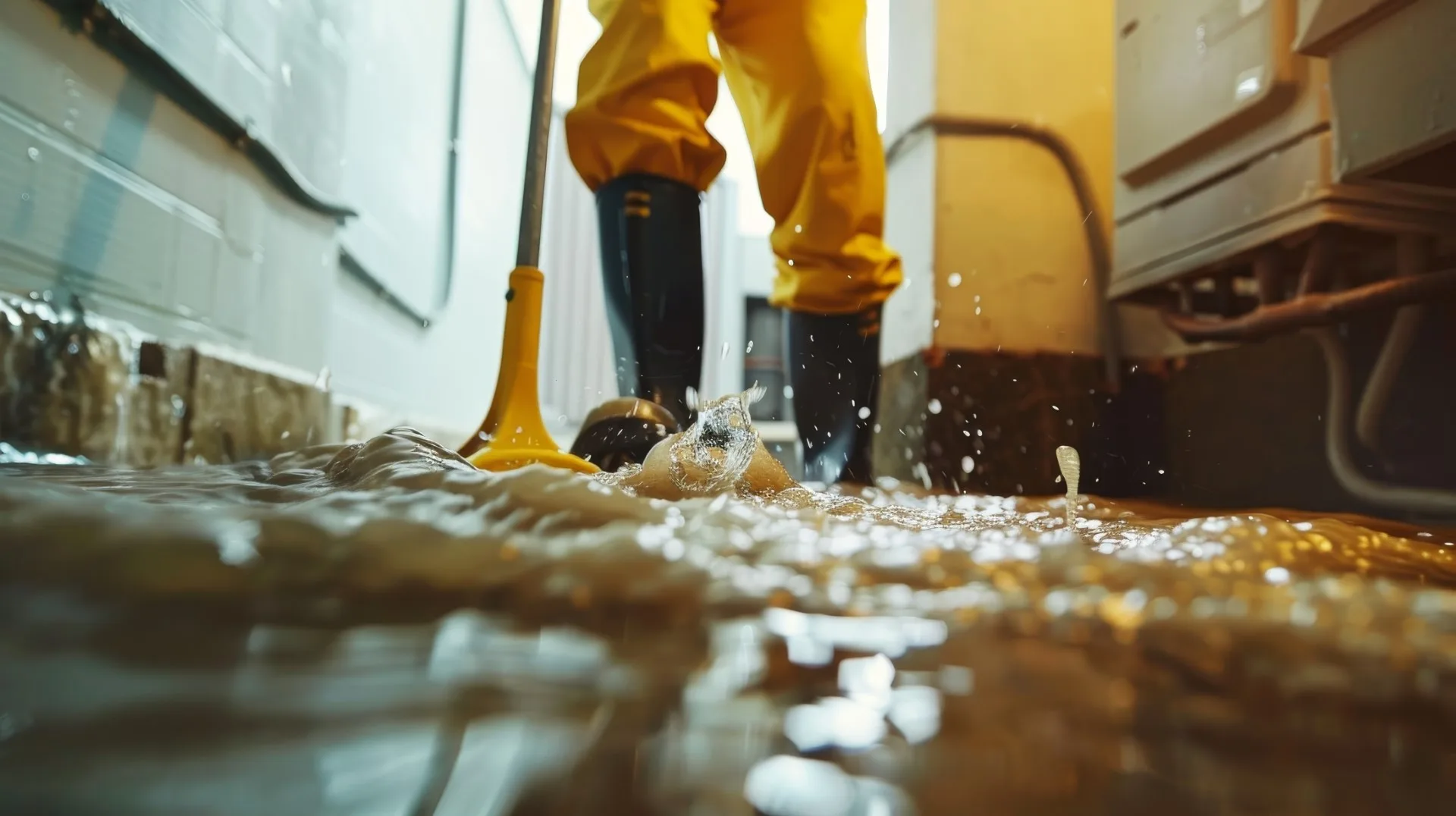
A sewage backup in a home is a deeply unpleasant and stressful experience. Northeast Water Remediation treats every residential job with the urgency it deserves, arriving quickly, establishing containment, and working efficiently to restore the home to a safe and clean condition. The team regularly handles basement floor drain backups during heavy rain events, toilet and sink overflows caused by blocked lateral lines, and sewage intrusion resulting from damaged pipes discovered during property inspections.
Commercial Sewage Backup Cleanup
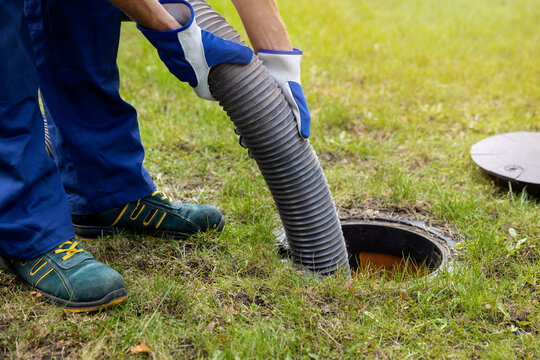
For business owners, a sewage backup creates immediate health and liability concerns alongside the physical damage. Northeast Water Remediation responds quickly to commercial sewage emergencies, following strict containment and safety protocols to protect employees, customers, and the building itself. The team is experienced across retail spaces, office buildings, restaurants, and multi-unit residential properties where fast and thorough cleanup is essential.
Does Insurance Cover Sewage Backup Cleanup
Standard homeowners and commercial property insurance policies do not always include automatic coverage for sewage backup. Many policies require a specific sewage backup endorsement or rider to cover the cost of cleanup and restoration. Property owners should review their policy carefully and add this coverage if it is not already in place.
Northeast Water Remediation works directly with all major insurance carriers and provides complete documentation of the damage, remediation scope, and restoration work to support the claims process.
Why Choose Northeast Water Remediation for Sewage Cleanup
- IICRC certified in Water Damage Restoration and Applied Microbial Remediation for compliant biohazard cleanup
- EPA Lead Safe certified (MA# DT000052) for safe work in older residential and commercial properties
- OSHA 10 Construction certified for safe and compliant job site practices
- Massachusetts Home Improvement Contractor #181646
- Commercial grade extraction, disinfection, and drying equipment for thorough Category 3 water cleanup
- Full biohazard waste disposal in compliance with Massachusetts and New Hampshire regulations
- Owner managed jobs with direct communication from the first call through final restoration
- Over 60 verified five star Google reviews from local homeowners and business owners
Contact Northeast Water Remediation for Emergency Sewage Cleanup
Do not attempt to clean up sewage backup without professional protective equipment and commercial grade disinfectants. Northeast Water Remediation provides fast, certified sewage backup cleanup, complete sewage removal, and full property restoration for homes and businesses throughout Massachusetts and New Hampshire.
Call right now to speak directly with a team member.
Frequently Asked Questions
How dangerous is a sewage backup?
Sewage backup is classified as Category 3 black water, the most contaminated water category in the restoration industry. It contains bacteria, viruses, and parasites capable of causing serious illness. Professional biohazard cleanup with proper protective equipment is required for safe remediation.
Can I clean up sewage backup myself?
DIY sewage cleanup is strongly discouraged. Without proper protective equipment, commercial grade disinfectants, and professional extraction equipment, it is nearly impossible to fully decontaminate an affected area. Incomplete cleanup leaves harmful pathogens behind and greatly increases mold risk.
How quickly does sewage cleanup need to happen?
Sewage cleanup should begin immediately. Every hour of delay allows contamination to spread further into structural materials and increases the risk of mold growth developing within 24 to 48 hours. Northeast Water Remediation is available 24 hours a day for emergency response.
Will the smell go away after sewage cleanup?
Professional sewage cleanup includes complete deodorization treatment that eliminates odor at the source rather than masking it. Sewage odor that remains after a non-professional cleanup attempt is a sign that contamination has not been fully removed from the affected materials.
What should I do while waiting for the cleanup team to arrive?
Keep all occupants and pets out of the affected area. Do not attempt to clean or move contaminated materials. Turn off the HVAC system to prevent spreading contaminated air. Contact your insurance company to report the loss and document the damage with photos if safe to do so from outside the affected zone.