Mold Remediation in Brockton, MA
Mold doesn’t stay in one place, and in Brockton’s triple deckers and multi-family buildings, it rarely stays in one unit. By the time mold is visible on a wall or ceiling, it has almost always spread further than it appears behind drywall, under flooring, inside shared wall cavities, and through ventilation systems that connect floors and units. Northeast Water Remediation provides IICRC-certified mold remediation throughout Brockton, MA mold removal, mold inspection, mold cleanup, and black mold removal with strict containment protocols using negative air pressure and HEPA filtration, clearance testing before the job is closed, and 24/7 availability for urgent situations like mold discovered after a water damage event or during a tenant turnover.
Why Mold Is a Persistent Problem in Brockton
Brockton’s mold problem is structural, not just environmental. The city’s significant stock of pre-1970 triple-deckers, multi-family buildings, and older single-family homes was built before modern moisture-control standards, vapor barriers, and ventilation requirements became code requirements. Combine older construction with basement systems that predate proper waterproofing, aging plumbing that leaks slowly and goes unnoticed across multiple units, and New England’s humid summers and freeze-thaw cycles, and you get the conditions mold needs: consistent moisture, organic material to feed on drywall, wood framing, insulation and limited airflow in below-grade and interior wall spaces.
In Brockton’s multi-unit housing stock, the problem is compounded by the way buildings are occupied. A slow pipe leak on the second floor creates a moisture problem in the ceiling of the first floor unit below. A basement with chronic moisture affects the floor framing of the entire building above it. Mold that starts in one unit’s bathroom travels through shared walls to an adjacent unit before either tenant knows it’s there. By the time a tenant or landlord reports a musty smell, mold has typically been actively growing for weeks.
Common Places Mold Is Found in Brockton Properties
- Basements of triple deckers and multi-family buildings: The most common location in Brockton, particularly in properties with older foundation systems, no waterproofing, or a history of seasonal flooding. Basement mold in a shared building affects the structural floor framing of all units above it
- Between-unit wall cavities: Shared walls in triple deckers and multi-family buildings are a frequent hidden mold location, fed by slow plumbing leaks or condensation from improperly insulated pipes that neither tenant can see or access
- Bathrooms and kitchens in older units: High-humidity areas where original tile grout, under-sink cabinetry, and poorly sealed fixtures harbor mold growth that spreads into wall cavities behind the visible surface
- Crawl spaces: Limited ventilation and direct ground moisture contact make crawl spaces a frequent source of hidden mold growth that affects the entire building above
- Attics: Caused by roof leaks, ice dam damage during Massachusetts winters, or inadequate attic ventilation that allows condensation to build up on roof sheathing and rafters
- After unresolved water damage: Any water damage event burst pipe, appliance leak, sewage backup, or roof leak that wasn’t professionally dried to normal moisture levels within 24–48 hours is a likely mold source in Brockton’s older building stock
Signs You May Have a Mold Problem
- A persistent musty, earthy smell in one or more rooms that doesn’t go away with cleaning or ventilation
- Visible spotting, discoloration, or fuzzy growth on walls, ceilings, around windows, or under sinks
- Recurring allergy-like symptoms sneezing, congestion, eye irritation that are worse at home and improve when you leave
- Water stains or bubbling paint on walls or ceilings, which often indicate moisture intrusion behind the surface
- Past water damage in the building that wasn’t professionally dried and inspected
- Tenants in adjacent or below units reporting the same symptoms or smells
If any of these apply, a professional mold inspection is the right next step. Visible mold is almost always a fraction of what’s actually present, particularly in Brockton’s older multi-unit buildings where the real growth is typically inside walls and beneath flooring.
Mold Remediation Services in Brockton
Mold Inspection
A thorough visual and moisture-based inspection identifies the full extent of mold growth, maps the moisture source feeding it, and assesses whether the problem has spread to adjacent units or shared structural elements. In Brockton's multi-unit buildings, the inspection scope often needs to extend beyond the unit where the smell or visible growth was first reported.
Mold Removal and Cleanup
Affected materials are removed or treated based on the surface type and extent of growth. Non-porous surfaces are cleaned and treated with commercial antimicrobial agents. Porous materials drywall, insulation, subflooring that are heavily affected by mold or mycotoxin contamination are removed and replaced rather than cleaned, since surface cleaning doesn't address growth embedded in the material.
Containment with Negative Air Pressure
Before any removal work begins, the affected area is physically sealed off using containment barriers and negative air pressure systems. This prevents mold spores disturbed during removal from becoming airborne and spreading to unaffected areas of the property critical in Brockton's multi-unit buildings where open stairwells and shared HVAC systems can carry spores between floors.
HEPA Air Filtration
HEPA air scrubbers run continuously throughout the remediation process, capturing airborne mold spores down to 0.3 microns. Air quality in the work area is continuously filtered rather than relying on natural ventilation that could spread spores through the building.
Black Mold Removal
Where Stachybotrys (black mold) or other toxigenic species are suspected or confirmed through lab testing, the team follows strict biohazard-level protocols: full PPE, sealed containment, specialized biocide treatment, and extended air filtration before the containment is removed. Building occupants in affected and adjacent units are advised on safe occupancy during this process.
Clearance Testing
Once remediation is complete, independent air quality and surface sampling confirms that mold spore levels throughout the affected area meet or fall below acceptable baseline levels before containment is removed and the space is cleared for occupancy. Clearance testing documentation is provided to landlords, property managers, and tenants as needed.
Is Black Mold Dangerous?
Mold exposure, including black mold, has been associated with allergic reactions, respiratory irritation, and worsened symptoms in individuals with asthma, compromised immune systems, or existing respiratory sensitivities. Mycotoxins produced by certain mold species, including Stachybotrys, can affect indoor air quality even when mold growth itself is not immediately visible. In Brockton’s multi-unit buildings, the health concern extends beyond the unit where mold is present; spores and mVOCs (microbial volatile organic compounds) travel through shared ventilation systems and wall cavities. Color alone is not a reliable indicator of species or toxicity; lab testing is the only reliable way to confirm what’s present and how it should be handled.
How Long Does Mold Remediation Take?
Most residential mold remediation projects in single-family homes take 1 to 5 days. In Brockton’s multi-unit buildings where the growth has spread to shared walls, multiple units, or structural framing, the timeline extends based on the scope of material removal and the number of areas requiring containment. Clearance testing adds a day at the end of the project before the space is cleared. Rebuild work replacing drywall, flooring, or insulation runs on a separate timeline after drying and clearance are complete.
Does Insurance Cover Mold Remediation in Brockton?
Mold coverage depends on the source of the moisture problem. Mold resulting from a sudden, accidental covered event such as a burst pipe or appliance failure is often covered under a standard homeowners or landlord policy. Mold resulting from long-term neglect, deferred maintenance, or chronic moisture intrusion is less likely to be covered. In Brockton’s multi-unit buildings, both the building owner’s policy and individual tenants’ renters insurance may be relevant depending on where the moisture source originated. Northeast Water Remediation documents the moisture source, mold extent, and testing results thoroughly from the initial inspection, providing the documentation needed to support claims across multiple parties.
Residential vs. Commercial Mold Remediation in Brockton
Residential
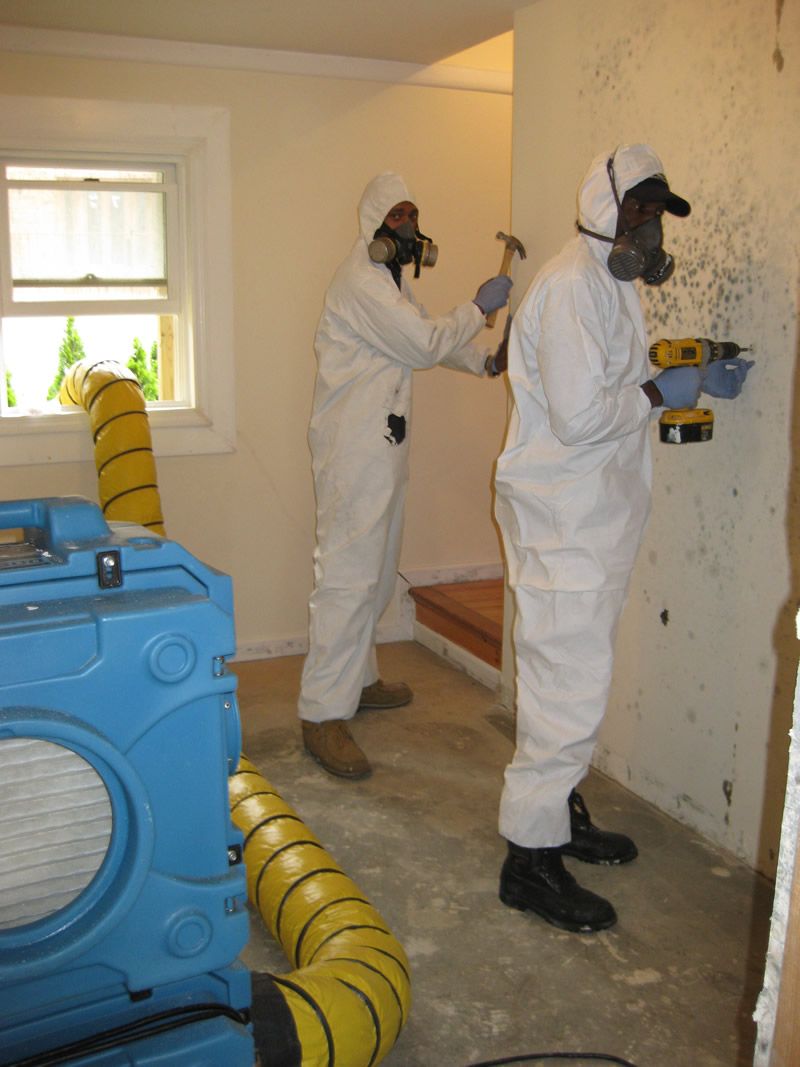
Homeowners and landlords in Brockton's triple deckers and multi-family buildings often discover mold during a tenant turnover, after a water damage event, or when tenants begin reporting health symptoms. The team assesses the full building scope, not just the reported unit, and coordinates directly with all parties involved.
Commercial
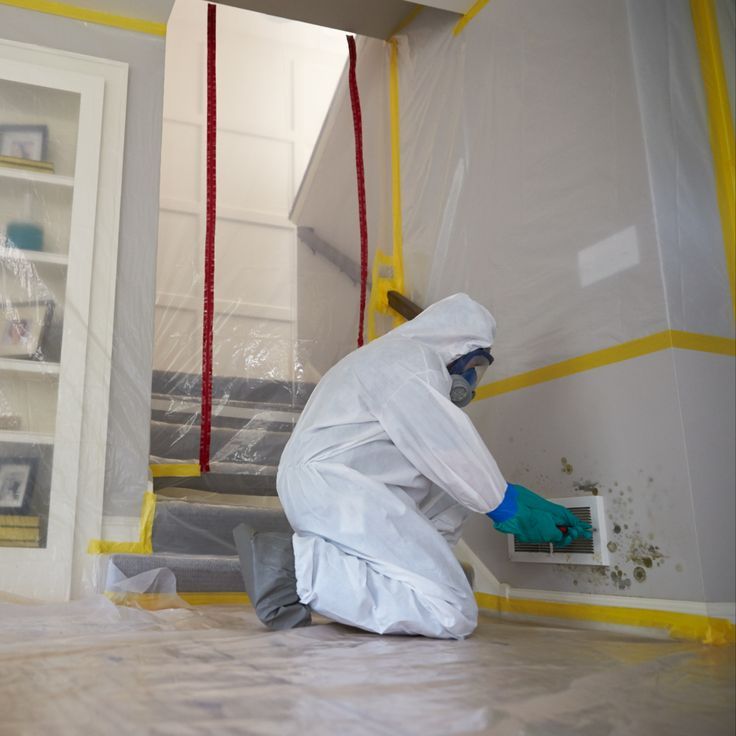
Commercial properties along Belmont Street, Main Street, and Pleasant Street face additional pressure around occupant health, liability exposure, and in some cases regulatory notification requirements. The team prioritizes minimizing disruption to operations while meeting full IICRC S520 remediation and clearance standards.
Why Brockton Property Owners Choose Northeast Water Remediation
- IICRC certified in Applied Microbial Remediation (IICRC S520 standard)
- EPA Lead Safe certified (MA# DT000052) — essential when remediation work disturbs surfaces in Brockton’s pre-1970 multi-family and triple-decker properties where lead paint is prevalent
- OSHA 10 Construction certified for compliant, safe job site practices in occupied buildings
- Massachusetts Home Improvement Contractor #181646
- Available 24 hours a day, 7 days a week, 365 days a year
- Owner-managed from inspection through clearance testing
- Direct insurance coordination across multiple carriers when multi-unit properties are involved
- Consistently rated five stars by homeowners and business owners across Massachusetts and New Hampshire
Frequently Asked Questions
Is mold common in Brockton homes and apartment buildings?
Yes, particularly in pre-1970 triple deckers and multi-family buildings where aging plumbing, limited basement waterproofing, and shared wall cavities create consistent conditions for mold growth.
Can mold in one unit spread to other units in a triple decker?
Yes. Mold spores and mVOCs (microbial volatile organic compounds) travel through shared walls, ceiling/floor assemblies, and ventilation systems in Brockton’s multi-unit buildings. The inspection scope should always include adjacent and below-grade spaces, not just the unit where growth is visible.
What's the difference between mold inspection and mold testing?
A mold inspection is a visual and moisture-based assessment to locate growth and identify the moisture source. Mold testing involves lab analysis of air or surface samples to identify the specific species and spore counts important when Stachybotrys (black mold) or other toxigenic species are suspected, or when clearance documentation is needed.
Can I just clean the mold myself?
Surface cleaning can address very small areas of mold on non-porous surfaces, but it doesn’t address growth inside walls, under flooring, or within porous materials, and it does nothing to fix the moisture source. In Brockton’s multi-unit buildings, improper DIY cleanup can also spread spores to adjacent units through the disturbance.
How do I know if it's black mold?
Color is not a reliable indicator of mold species. Lab testing from a certified inspector is the only way to confirm whether growth present is Stachybotrys chartarum (black mold) or another species.
Also Serving Nearby
Northeast Water Remediation provides mold remediation throughout Plymouth County, including Abington, Bridgewater, East Bridgewater, West Bridgewater, Hanover, Norwell, Pembroke, Marshfield, Duxbury, and Hingham.
Mold Remediation in Brockton, MA
If you suspect a mold problem in your Brockton home, rental unit, or commercial property, don’t wait for it to spread. Call now for a certified inspection and a clear plan to resolve it.