Certified Mold Remediation and Black Mold Removal Services
Mold is one of the most misunderstood problems a property owner can face. What starts as a small patch of discoloration can spread rapidly through walls, ceilings, and flooring, affecting indoor air quality and creating serious health risks for everyone inside the building. Professional mold remediation is not just about removing what is visible. It is about finding the source, stopping the spread, and restoring the property to a safe condition.
Northeast Water Remediation provides certified mold removal and mold inspection services for residential and commercial properties across Massachusetts and New Hampshire. Every job is handled by an IICRC-certified team using proven protocols and commercial-grade equipment to address mold at every stage, from early detection through complete restoration.
Why Mold Is More Dangerous Than It Looks
Most mold growth starts in areas that are out of sight. Behind drywall, under flooring, inside HVAC systems, and in crawl spaces are among the most common locations where mold spores take hold before a property owner ever notices a problem. By the time visible mold appears, the colony is often well established.
Mold reproduces by releasing microscopic spores into the air. Those spores travel through ventilation systems, settle on new surfaces, and begin new colonies anywhere moisture is present. This is why a single unaddressed water leak can result in mold growth across multiple rooms within 24 to 48 hours.
- Common warning signs that mold may be present in a property include:
- A persistent musty odor that does not go away with cleaning or ventilation
- Visible dark spots or discoloration on walls, ceilings, grout lines, or baseboards
- Unexplained allergy symptoms including coughing, sneezing, or watery eyes that improve when leaving the building
- A history of water damage, flooding, or plumbing leaks that were not professionally dried
- Condensation consistently forming on windows, pipes, or interior walls
- Peeling paint or wallpaper caused by moisture trapped beneath the surface
Health Risks Associated With Mold Exposure
Not all mold is equally dangerous, but all mold present in a living or working environment represents a risk that should be taken seriously. Black mold removal is often the most urgent concern because certain strains of black mold produce mycotoxins, toxic compounds that can cause significant health effects with prolonged exposure.
Respiratory Effects
Mold spores circulating through indoor air quality degrade it significantly. Occupants may experience chronic coughing, wheezing, shortness of breath, and aggravated asthma symptoms. Those with pre existing respiratory conditions are particularly vulnerable.
Allergic Reactions
Many people develop allergic responses to mold including skin irritation, eye redness, nasal congestion, and sinus infections. These symptoms are often mistaken for seasonal allergies, which delays proper treatment of the underlying mold problem.
Neurological Symptoms
Prolonged exposure to toxic mold strains has been linked to headaches, difficulty concentrating, memory issues, and fatigue. These effects are most commonly reported in residential settings where occupants spend extended periods in contaminated environments.
Increased Risk for Vulnerable Populations
Children, elderly individuals, pregnant women, and anyone with a compromised immune system face greater health risks from mold exposure. For these groups, even low levels of mold contamination warrant immediate professional attention.
The Northeast Water Remediation Mold Remediation Process
Every mold remediation project follows a structured process designed to eliminate contamination completely while protecting the rest of the property from cross contamination during the work.
Mold Inspection and Testing
A thorough mold inspection is the foundation of every project. The team identifies all visible and hidden mold growth, locates the moisture source driving the problem, and determines the extent of contamination. Air sampling and surface testing are conducted where needed to establish a full picture of what is present.
Containment
Before any removal work begins, the affected area is sealed off using polyethylene sheeting and negative air pressure to prevent mold spores from spreading to unaffected areas of the property. HVAC systems are shut off during this phase to avoid circulating spores through the building.
Air Filtration
HEPA air scrubbers are deployed throughout the work area to continuously filter mold spores from the air during the remediation process. This protects both the occupants and the technicians working on site.
Mold Removal and Cleaning
Contaminated materials that cannot be fully cleaned, including drywall, insulation, and porous flooring, are carefully removed and disposed of in sealed bags in accordance with industry and regulatory standards. Salvageable surfaces are treated with commercial-grade antimicrobial agents that eliminate mold at the root rather than simply bleaching the surface.
Moisture Source Correction
The underlying moisture problem is addressed before any restoration work begins. This may involve coordinating with a plumber to repair leaks, recommending waterproofing solutions for basement or foundation issues, or improving ventilation in chronically humid spaces.
Restoration and Clearance Testing
Once mold removal is complete, affected areas are restored to pre-loss condition, including replacement of drywall, insulation, flooring, and paint where needed. Clearance testing confirms that mold spores have been reduced to normal background levels before the containment is removed and the area is returned to use.
Residential vs. Commercial Mold Remediation
Residential Mold Remediation
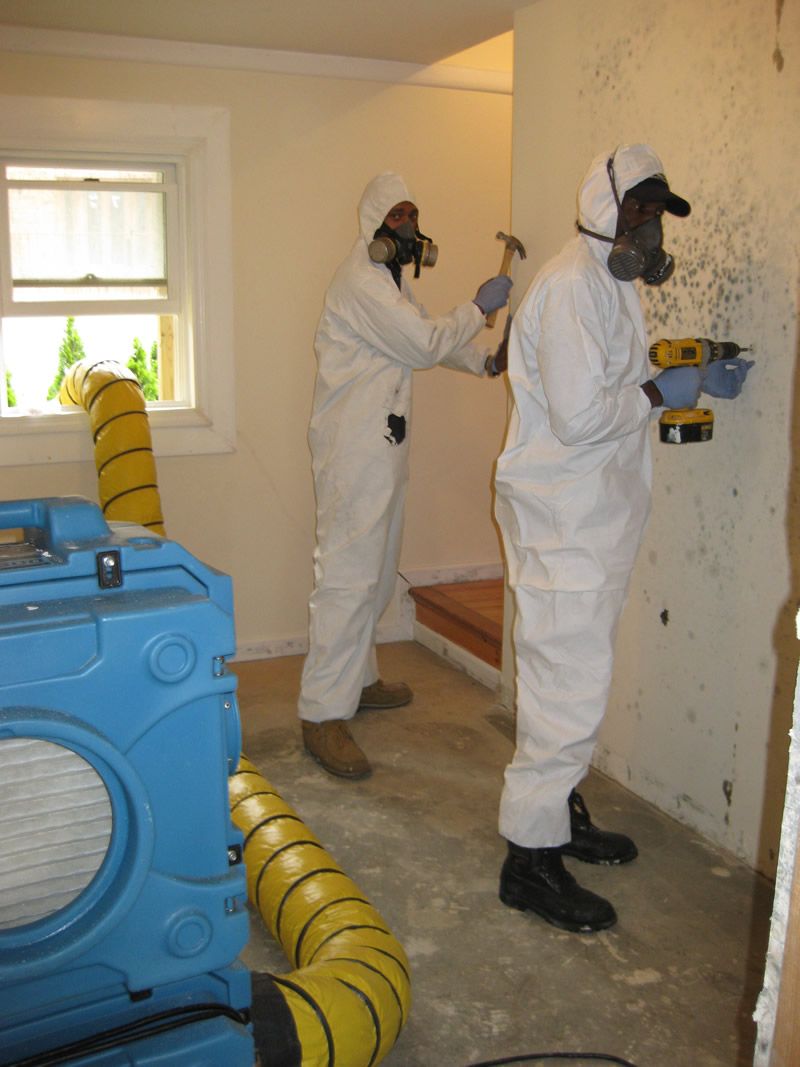
Mold in a home creates stress and uncertainty for the entire family. Northeast Water Remediation approaches residential mold jobs with careful attention to limiting disruption to daily life while completing the remediation thoroughly and efficiently. The team regularly handles basement and crawl space mold caused by seasonal moisture and groundwater intrusion, bathroom mold resulting from inadequate ventilation and chronic humidity, and attic mold stemming from roof leaks or improper insulation. Kitchen mold found under sinks or behind appliances from slow undetected leaks is another common scenario, as is mold discovered during a home sale inspection that requires fast and fully documented professional resolution.
Commercial Mold Remediation
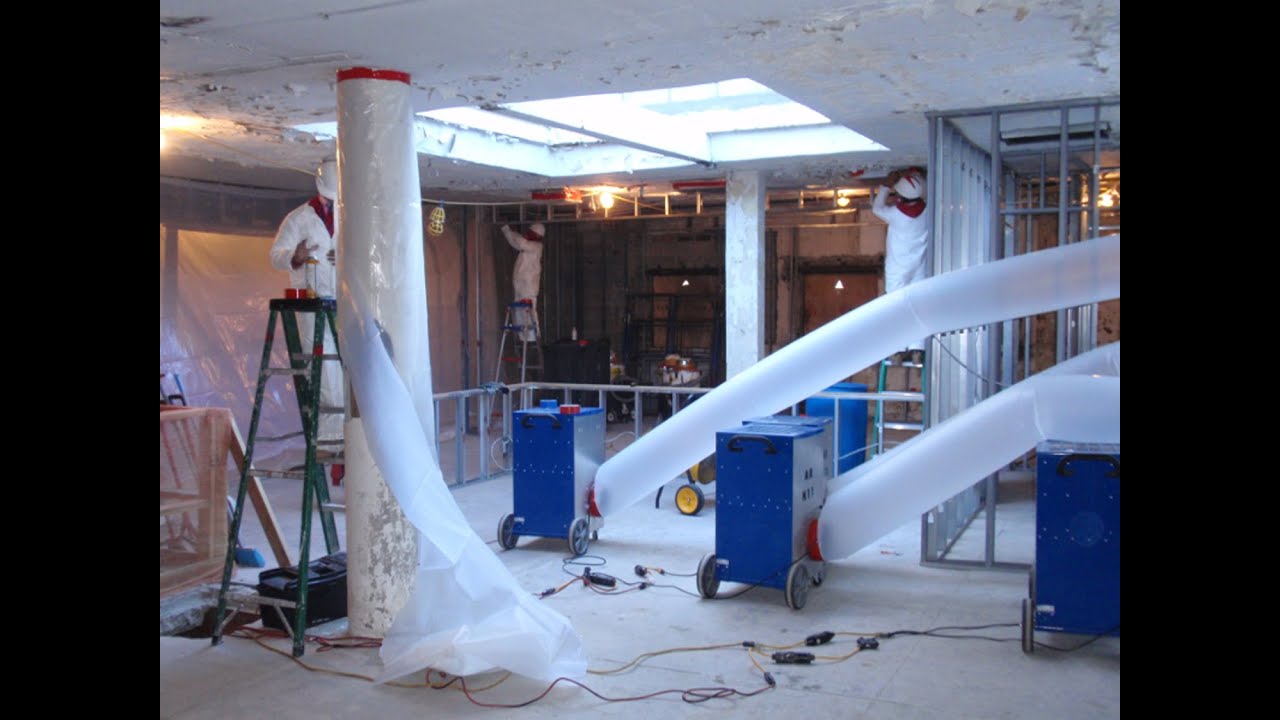
Mold in a commercial building is a liability concern, an employee health issue, and a business continuity problem all at once. Northeast Water Remediation understands the urgency of commercial mold situations and prioritizes rapid response to minimize downtime and protect the building owner from further exposure. The team is experienced working in occupied commercial environments including offices, retail spaces, schools, healthcare facilities, and multi-unit residential buildings, following containment and safety protocols that allow portions of the building to remain operational during remediation where possible.
Does Insurance Cover Mold Remediation
Insurance coverage for mold remediation depends on the cause of the mold. Most standard homeowners and commercial property policies cover mold that resulted directly from a covered water damage event such as a burst pipe or roof leak. Mold that developed from long-term neglect or unresolved maintenance issues is typically excluded.
Northeast Water Remediation assists property owners with documentation, scope of loss reports, and direct communication with insurance carriers to support the claims process. Having a certified contractor involved from the initial inspection strengthens the claim and ensures the full scope of damage is properly recorded.
Why Choose Northeast Water Remediation for Mold Removal
Choosing the right mold remediation company matters. An incomplete job leaves mold behind walls and creates a recurring problem. Northeast Water Remediation brings the credentials, equipment, and follow-through to get the job done right the first time.
- IICRC certified in Applied Microbial Remediation, the industry standard for professional mold work
- EPA Lead Safe certified (MA# DT000052) for safe work in older properties
- OSHA 10 Construction certified for compliant and safe job site practices
- Massachusetts Home Improvement Contractor #181646
- Owner-managed projects with direct communication from assessment through completion
- Commercial-grade HEPA filtration and antimicrobial treatments unavailable to general contractors
- Full restoration capability, no need to coordinate separate contractors for repairs
Contact Northeast Water Remediation for Professional Mold Inspection and Removal
If you suspect mold in your home or business, do not wait for the problem to get larger. Northeast Water Remediation provides professional mold inspection, certified mold remediation, and complete mold cleanup services for properties across Massachusetts and New Hampshire.
Call to speak directly with a team member and schedule your inspection.
Frequently Asked Questions
What is the difference between mold removal and mold remediation?
Mold removal refers to physically eliminating visible mold growth. Mold remediation is the complete process that includes inspection, containment, air filtration, removal, moisture source correction, and restoration. Remediation addresses the root cause while removal alone only treats the surface symptom.
How long does mold remediation take?
Timeline depends on the size and severity of the contamination. A contained bathroom or crawl space job may be completed in one to two days. Larger projects involving multiple rooms or structural materials can take one to two weeks. A timeline is provided after the initial inspection.
Can I stay in my home during mold remediation?
In many cases, occupants can remain in unaffected areas of the home while remediation is contained to a specific zone. For severe contamination affecting HVAC systems or large portions of the living space, temporary relocation may be recommended for the safety of occupants, particularly children and elderly family members.
How do I know if the mold remediation was successful?
Clearance testing conducted after remediation confirms that mold spore counts have returned to normal background levels. Northeast Water Remediation performs post-remediation verification to ensure the work meets industry standards before containment is removed and the area is cleared for use.
What causes mold to come back after remediation?
Mold returns when the underlying moisture source was not fully corrected. Professional remediation includes identifying and addressing the root cause of moisture intrusion. If a leak is repaired or humidity is controlled properly, mold recurrence is very unlikely following a thorough remediation.